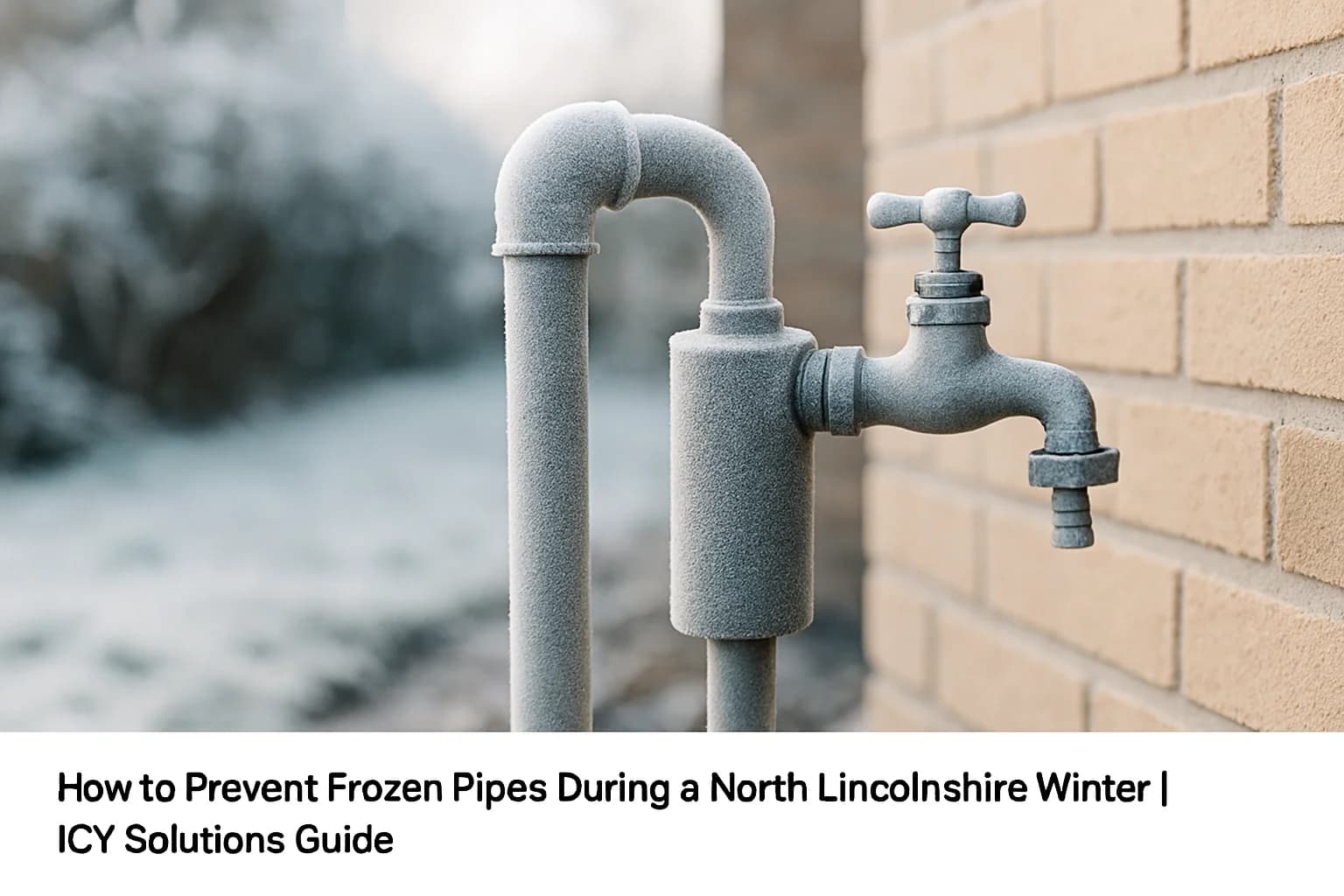
How to Prevent Frozen Pipes During a North Lincolnshire Winter
As the temperature drops across North Lincolnshire, from Scunthorpe to Barton-upon-Humber, one of the most common and costly winter problems homeowners face is frozen pipes. A burst pipe can cause extensive water damage, leading to expensive repairs and significant disruption. At ICY Solutions, your trusted local plumbing and heating specialists, we've seen firsthand the damage winter can cause. That's why we've put together this practical guide to help you protect your property.
Winter in our region can be particularly harsh, with frosty mornings becoming the norm. When water in your pipes freezes, it expands, putting immense pressure on the pipework. This pressure can cause joints to fail or pipes to crack, leading to leaks or bursts when the ice eventually thaws. Prevention is always better—and far cheaper—than cure.
Know Your Property's Vulnerable Spots
The first step in prevention is understanding where your home is most at risk. Pipes are most likely to freeze in areas with little to no heating, such as:
Lofts and roof spacesGarages and outbuildingsUnder floorboardsExternal walls, especially in kitchens and bathroomsAny pipework in unheated cupboards
Take some time to locate your stop tap (often under the kitchen sink) and ensure everyone in the household knows where it is. In an emergency, being able to quickly turn off the water supply can minimise damage.
Practical Prevention Tips for Homeowners
Here are our top recommendations, based on years of experience serving North Lincolnshire communities:
Insulate, Insulate, Insulate
Lag your pipes
: Use foam pipe lagging from your local DIY store to cover all accessible pipes, especially in cold areas. Don't forget the outdoor tap—use a specialised insulating cover.Consider your loft
: Ensure your loft insulation is adequate. Not only does this keep your home warmer, but it also protects any water tanks and pipework in the space.Seal draughts
: Check for gaps around pipes where they enter your home, and use draught excluder or sealant to block cold air.